





















Affiliate Disclaimer
Some links in this article are affiliate links. We may earn a small commission if you make a purchase through these links, at no extra cost to you. We only recommend products we find useful to our readers
Pranayama is one of the best way to control the life-currents through the control of breath, and it is a process through which we are able to understand the secret of prana as well as manipulate it. It is very hard to make any type of spiritual progress without practicing pranayama. Through various types of exercises as well as training in pranayama the yogi try to realize the body and the whole of cosmic life, to attain perfection.
Breathing is the physical aspect or the external manifestation of the prana, the vital force, and hence pranayama begins with regulation of breathing. By controlling the breathing you are able control prana – just like how you can control the hairspring, cog wheels etc. Controlling breathing is achieved through proper manipulation of the lungs as well as the breathing process.
Best Time To Practice Pranayama
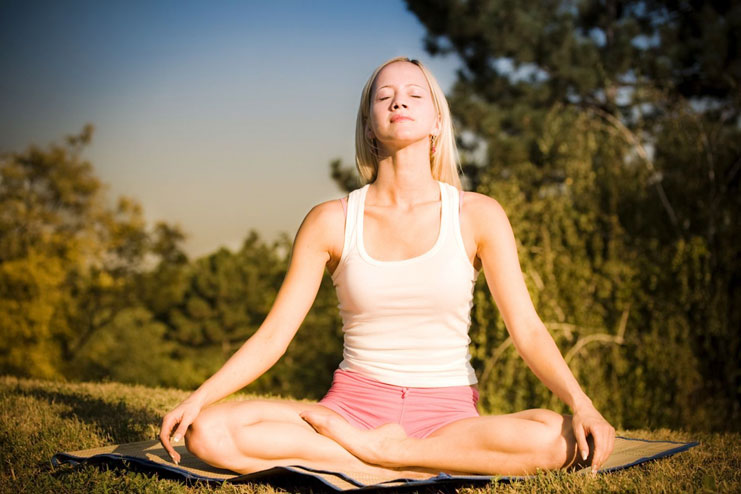 Pranayama or the breathing exercise is one of the great way to start the day. Basically early morning is considered as the best time to practice pranayama, especially outside where there is plenty of fresh natural air. It is also recommended to do this breathing exercise on an empty stomach.
Benefits Of Pranayama
 a. Techniques of pranayama is beneficial to treat a wide range of stress related disorder.
b. Pranayama can help to improve the autonomic function in the body.
c. It can help to give relief from the symptoms of asthma.
d. It can help to reduce the signs of oxidative stress in your body.
e. By practicing pranayama every single day, you can get into a steady mind, strong will power as well as sound judgement.
f. Regularly doing pranayama, can help to extend life as well as enhance the one with the perception.
g. Many studies have also shown results that pranayama can cause change in the cardio respiratory system that also includes lowering the blood pressure
h. Certain types of pranayama’s are also excellent for weight loss.
How To Perform Pranayama
Nadi Sodhana:
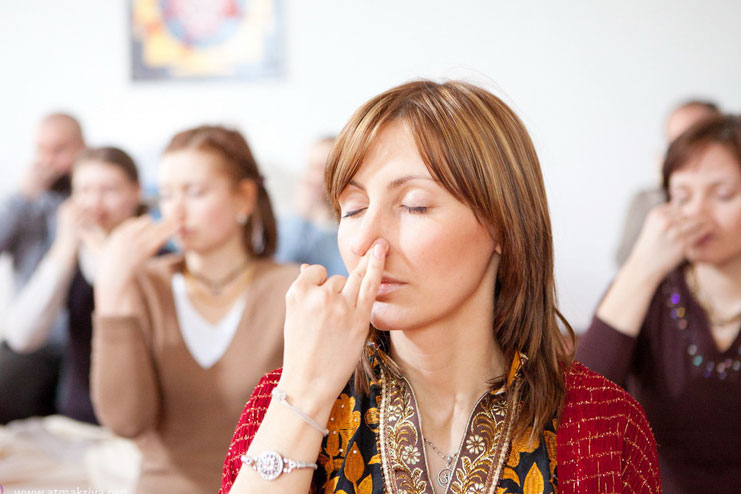 a. First sit in a comfortable place, in a cross legged pose
b. Now try to use the thumb of your right hand, to close the right side of the nose. Try to inhale deeply by using the left nostril
c. Now while closing the left nostril, try to exhale using the right one
d. In same way, with the left nostril closed, inhale through the right nostril and exhale with the left
e. Try to continue doing this exercise for an about 10 to 15 times.
Sheetali Pranayama:
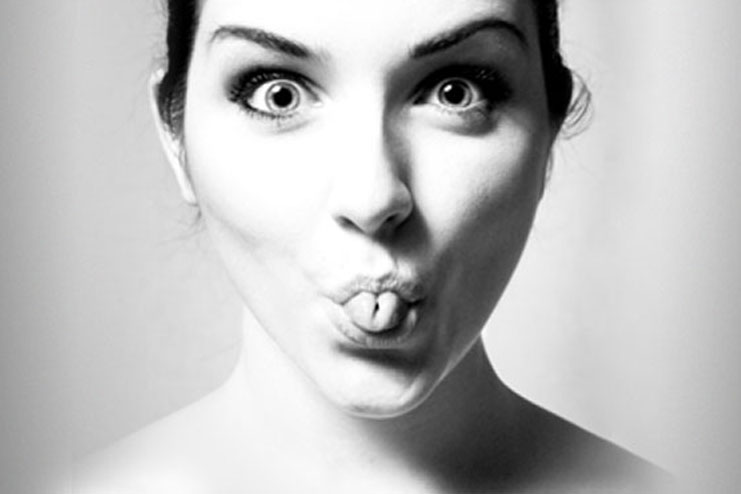 a. Sheetal in sanskrit also means cool, and this technique of pranayama can help to achieve the same.
b. To perform sheetali pranayama, first be seat in a comfortable position. Now cross the legs and take five to six breaths to get prepared.
c. Now open the mouth to an “o” shape and then start to inhale through your mouth. While exhaling, try to do that with the nose.
d. Try to do this five to ten times.
Ujjayi Pranayama:
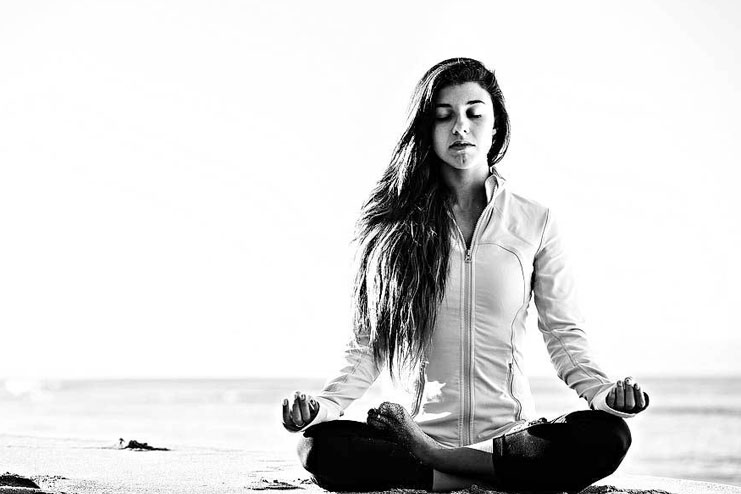 a. Ujjayi in sanskrit means ocean and this pranayama is all about mimicking the sounds of ocean or the waves.
b. To do it, first be seated in a comfortable position by crossing the legs. Now start to inhale as well as exhale deeply using the mouth.
c. While doing it, try to constrict the throat as if something is choking. This can help to produce a similar sound of the ocean when you breath.
d. Now try to close the mouth and start breathing using the nose, but try to maintain the same tone to the throat so you can continue to make the same sound as your breathing.
e. Try to repeat this prayanama breathing exercise for about ten to fifteen times.
Best Yoga For Weight Loss And Toning For Abs
Kapalabhati Pranayama:
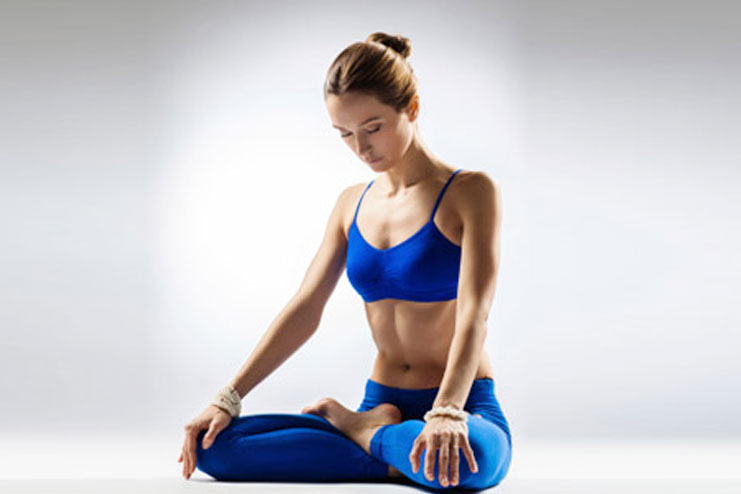 a. To perform kapalabhati pranayama, first sit in a comfortable position by crossing the legs. Then perform two to three deep inhales as well as exhales.
b. Now while inhaling deeply as well as exhale forcefully, draw all the air out. Your belly must be drawn in, as you try to exhale.
c. When you are inhaling, let that happen passively without making any type of effort to inhale as your belly can go back to the normal position.
d. While exhaling forcefully, continue doing it for about 20 to 30 times.
Dirga Pranayama – Three Part Breathing
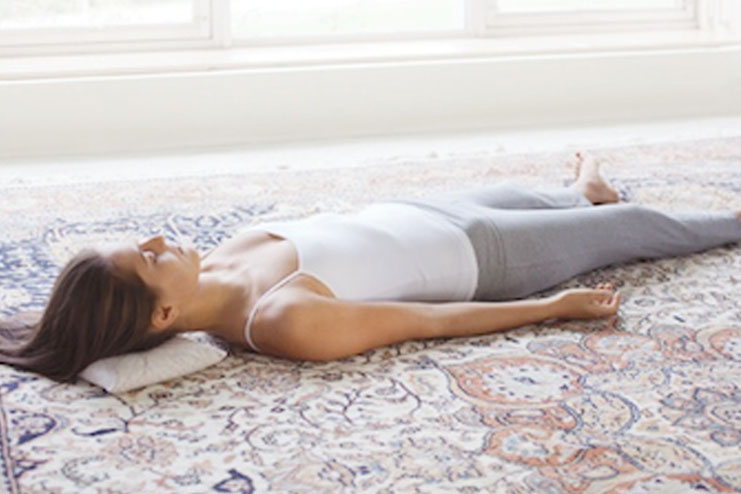 a. This dirga pranayam is considered a little bit different from other types of pranayama, as it mostly involves lying down on the back instead of being seated. This technique also involves very deep kind of inhalation as well as exhalation.
b. To perform this panayama, first lie down and close your eyes. Then try to breath normally, slowly taking deep breaths, try to relax the body.
c. Now slowly inhale enough air in to fill up the belly. Your belly must rise up like a balloon. Then hold this pose for a few seconds and then while exhaling draw the belly in to ensure there is no air left.
d. In second step, first inhale deeply to fill the belly up. Then inhale a little more to fill the air in the rib cage. While exhaling, exhale the air from the rib cage and then from the belly.
e. In third step, while you are inhaling deeply to fill the belly up and the rib cage with air. Inhale a little more to fill the heart area with air. When exhaling, exhale the air from the heart area, then from the rib cage and then from the belly.
f. Try to repeat the process for at least of five to six times
Viloma Pranayama:
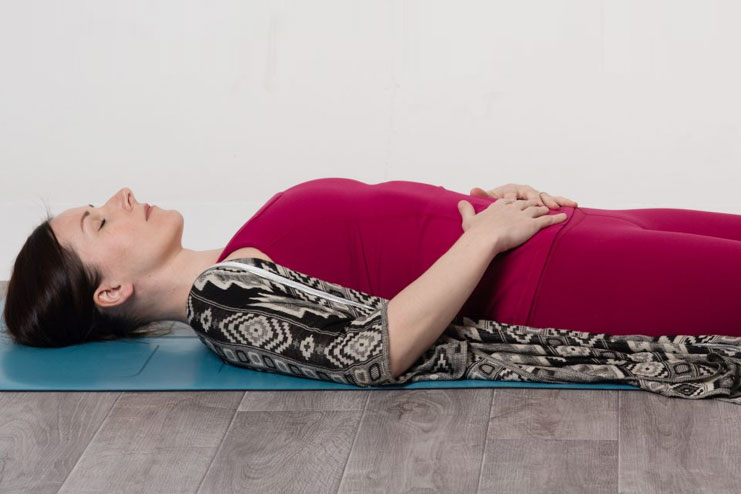 a. Viloma Pranayama mostly involves paused breathing at regular intervals and it can be divided in two stages.
b. The very first stage is known as ‘paused inhalation’ and the second stage is known as ‘paused exhalation’.
Let’s look at these stages in detail:
1. Viloma Paused Inhalation:
A. First lie down into a comfortable position and then try to relax by taking deep breath normally
B. Now inhale for two to three seconds and then pause.
C. Try to hold the breath for two seconds and then restart the inhalation. Pause the inhalation again after two seconds.
D. Then inhale again.
E. Try to repeat this process until the lungs are full of air
F. Exhale slowly, till you feel the emptiness of the air
2. Viloma Paused Exhalation:
A. The paused exhalation is exactly opposite of the inhalation process.
B. Here in this case, you will inhale deeply as well as normally without any interuption, but exhale with the regular pauses.
Anuloma Pranayama:
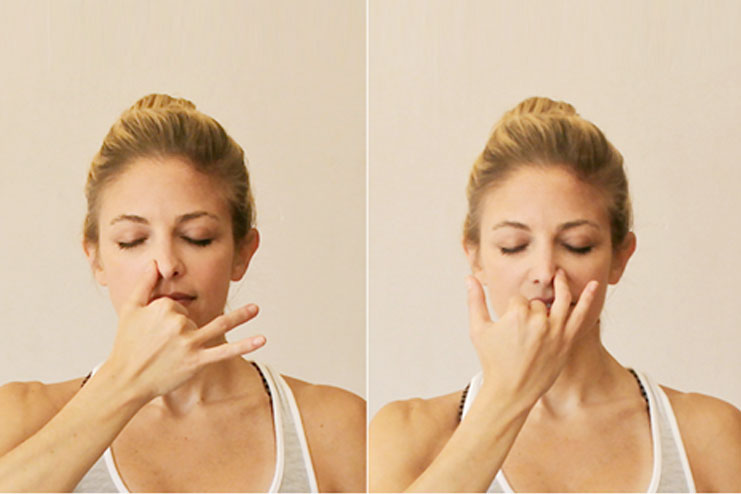 a. Just like the Viloma, Anuloma is also all about alternate nostril breathing.
b. Here in this case, the inhalation as well as the exhalation is done by blocking one nostril and the other nostril being partially open. Some variations of this yoga granular anuloma.
c. This type of pranayama yoga is very particularly useful to clean the nasal passages as well as create calmness within itself.
Where To Perform Pranayama Yoga?
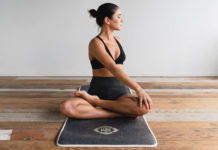
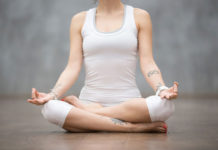
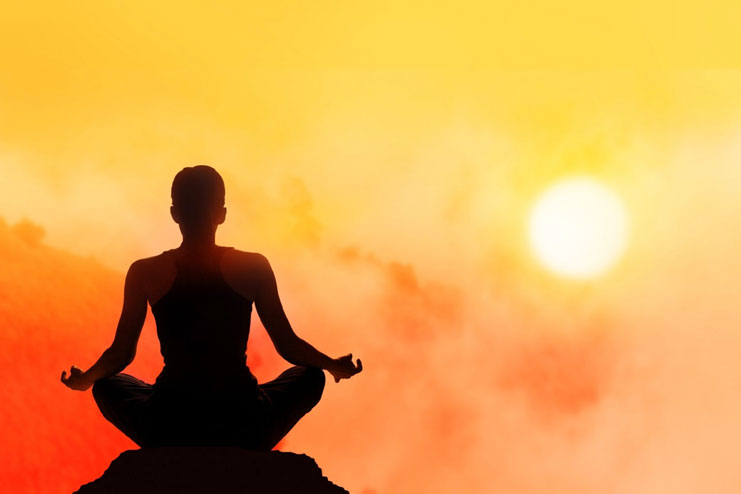 Pranayama is best practiced while sitting onto the floor in a folded blanket. This type of practice is also applicable to padmasana too. The back must be kept erect from the base of your spine to the neck and also perpendicular from the floor. Bad as well as poorly performed posture can lead to the shallow breathing as well as low endurance. One must always empty the bladder before starting off the pranayama yoga.
Easy-To-Do Yoga Poses For Weight Loss