




























Affiliate Disclaimer
Some links in this article are affiliate links. We may earn a small commission if you make a purchase through these links, at no extra cost to you. We only recommend products we find useful to our readers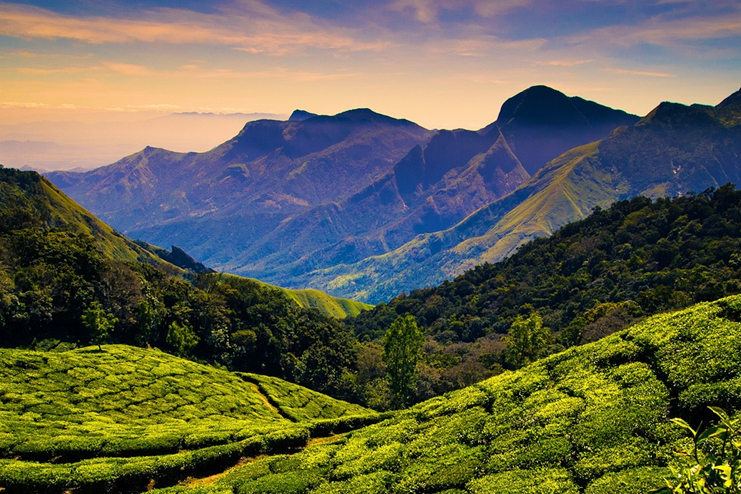
Kodaikanal is a city that is situated in the hills of the Dindigul district in the state of Tamil Nadu. The meaning of Kodaikanal in Tamil means “The Gift of Forest”. Kodaikanal is also referred as the “Princess of the Hill stations” and has a history of a popular tourist destination.
Kodaikanal was discovered in 1845 as a refuge from high temperatures as well as tropical diseases of the plains.
The town of the Kodaikanal do sit on the plateau above the southern Palani Hills, in between the Parappar as well as Gundar Valleys. These hills also form as the eastward spur of Western Ghats on the West side of the South India. It has basin that is irregular as the heartland, the centre of which is now known as Kodaikanal Lake a 5 kilometres circumference of manmade lake. A small village known as Vattakanal is located, just few kilometers away from the city of Kodaikanal in the Dindigul District on the tip of the southern upper Palani hills of Tamil Nadu, along the coast of east and the Ghats of West. Vattakanal is also known as ‘Vatta’ or ‘Little Israel’ by most because the villagers observe a lot of Israeli tourists who go there from the start of October.
Meadows as well as grasslands also covers the hillsides. Of the Gigantic Eucalyptus trees and the shola forests that flourishes in the valleys. The mighty rocks as well as cascading streams do lie above these valleys. There are many different types of high waterfalls and gardens and flower beds to bloom.
Kodaikanal is also known for the rich flora and fauna, the big trees of eucalyptus, cypress and acacia are the most dominant varieties. A lot of Pear trees can be found and the fruits are high in quality. Competing with these fruit trees there are a lot of flowering ones, mainly rhododendron as well as magnolia. Large quality of dahlias of different types of hues are one of the main attraction of the Bryant Park, that is situated close to the Kodai lake. Water lilies in the pond of the park is a very pleasing sight. The town also abounds in these kind of beautiful, yellow wild flowers.
North side of the town, the high hills of Pallangi and Vilpatti slope stand guard. On the east side of the hill slopes they are less abrupt in the lower Palnis. A escarpment facing the Cumbum Valley is on south. On the west is the plateau that leads to the Manjampatti Valley, Indira Gandhi National Park, the Anamalai Hills and the other main body of Western Ghats of Kerala border.
History Of Kodaikanal:
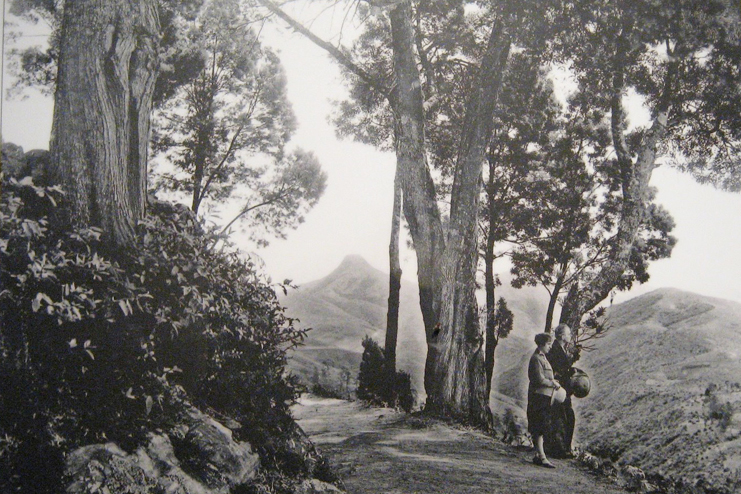 The very earliest resident of Kodaikanal or Kodai were the tribe people of Paliyan. One of the earliest references to the Kodaikanal and Palani Hills are basically found in Sangam literature of the early Tamil Christian era.
Today’s modern Kodaikanal was also being established as hill station by the American missionaries in 1845.
The archaeological evidence of the human habitation in Kodaikanal is before the Current Era or BCE. The megalithic dolmens that are dating back from the early Chera Dynasty times, earthen pots or even other artefacts which have been found prove the earliest residents of the Kodaikanal were that of Palaiyar tribal people.
In the classical Tamil poetic work of Kuruntokai, contains the poems that deals with the matters of love as well as separation. It can even evoke the geographic thinai of mountainous region of the Kurinji. It is basically the scene of the lovers’ union at midnight, in a forest that is rich with the lakes, teak, waterfalls, bamboo and sandalwood. In this region the millet grows as well as wild bees are the source of honey.
The first westerner to visit Kodaikanal, was in 1821, by a British Lieutenant name B. S. Ward, who climbed up from the headquarters in Kunnavan village of Vellagavi to Kodaikanal in a survey to the area of the hilly ranges of the Palani. His journey report of the healthy climate in this beautiful hills with a lot of accessibility from Periyakulam has also encouraged the early settlers.
Places To Visit:
Best time to visit:
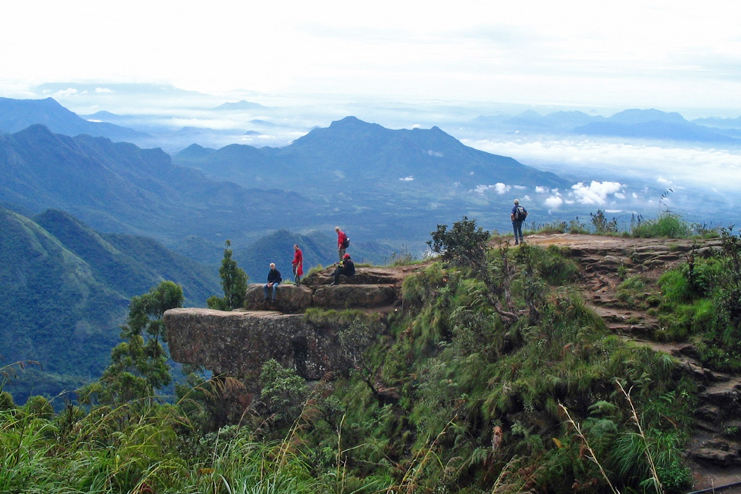 Kodaikanal can also serve as the year round destination for tourist. It starts from a pleasant summer to the drizzling monsoons and finally get the cool winters, it is a blissful place to enjoy the holidays. Besides the scenic beauty of this place, you can also enjoy many heart-throbbing activities in this town. You must carry enough woollens, if you are travelling to the Kodaikanal during winters. Being the hill station it have moderate climate throughout the year which can attract the visitors from across the globe.
1. Kodaikanal Lake
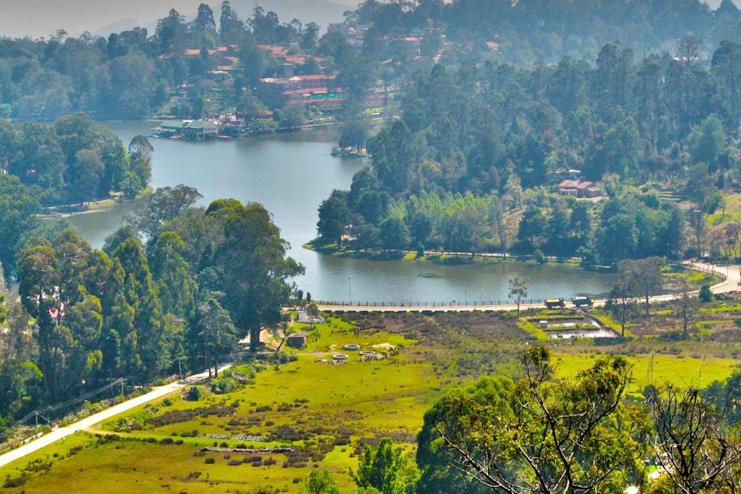 Kodaikanal Lake, that is also known as Kodai Lake is basically a manmade lake that is located in the city of Kodaikanal in Dindigul district in Tamil Nadu. Sir Vere Henry Levinge, the Collector from Madurai, was very instrumental in creating a lake in 1863, amidst the town which was also developed by the British and early missionaries from USA. The lake is said to have been Kodaikanal’s one of the most popular geographic landmark as well as tourist attraction.
2. Coakers Walk
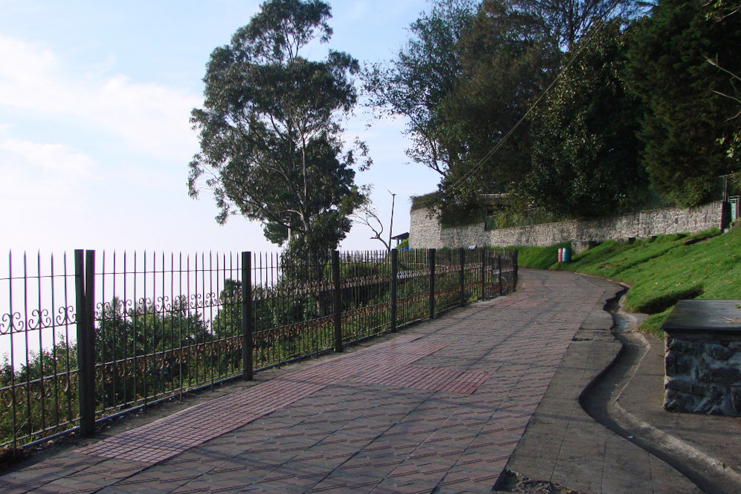 Coakers walk is basically a kilometer long walk that is built on the mountain. It was being constructed in the 1872, by Lt Coaker. It is almost about half km away from Kodai and is also constructed on the steep of the slope of mountains. The outlook of this path also defines to the beauty of nature i.e its valleys, mountains, cities etc. Telescope house is also the must watch of coakers walk. All the four sides of coaker walk is the picturesque of one of the other beautiful thing.
3. Berijam Lake
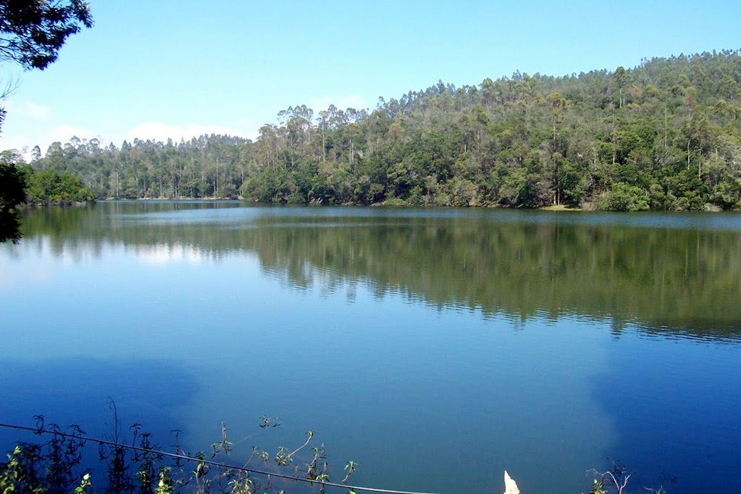 This Berijam Lake is basically a reservoir that is situated near the Kodaikanal town in Dindigul district of Tamil Nadu. It is at the site of “Fort Hamilton”, in the Palani hills. The lake, being created by the dam with its sluice outlets, is also a part of the micro–watershed development project. The town of Periyakulam, also get its public drinking water from this lake. The lake’s quality of the water is considered to be excellent.
4. Kurinji Andavar Temple
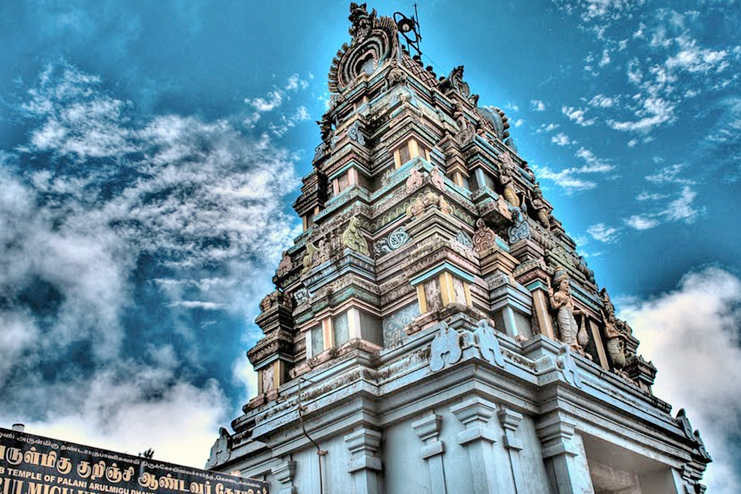 This temple is situated three kms from the Kodai lake. It is also a very famous shrine that is dedicated to Lord Muruga. In the Tamil literature ‘Kurinji’ means ‘hill’ and ‘Andavar’ means ‘God’. Hence, the Lord Muruga is also being referred as the ‘God of hill’.
This temple was basically built by the Leelavathi Ramanathan. Who was born as an European, she got totally influenced by Hinduism and later adopted the religion. She also patronized on the construction of the temple that was being made in the year 1936. This temple is also known to be associated with the Kurinji flowers, which blooms at the hillsides once in every 12 years.
Ways To Reach:
By Air
 The airport that is nearest to the Kodaikanal is Madurai, at about 120 kilometres away. Other airports also include the Trichy airport and Coimbatore airport, which are respectively 150 kilometres and 175 kilometres away. From this airport, you can also get a bus easily to Kodaikanal.
By Bus
 There is a regular bus services that is available from the cities of Coimbatore, Chennai, Madurai, Pondicherry and many more.
By Train
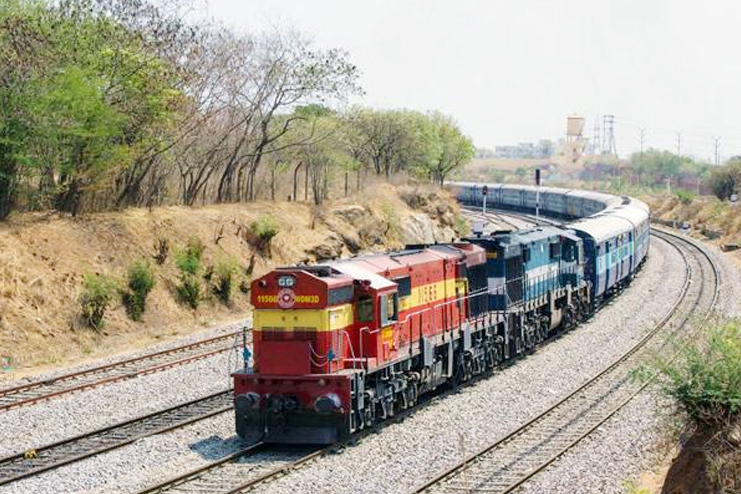 Many number of tourists do take the rail route and get down at the Kodai Road, which is almost about 100 kilometres away from main town. From the station, you can even get taxi. It is the only mode of transportation from Kodai Road to Kodaikanal.